
Vietnam’s Plastics Market Still Has Significant Growth Potential
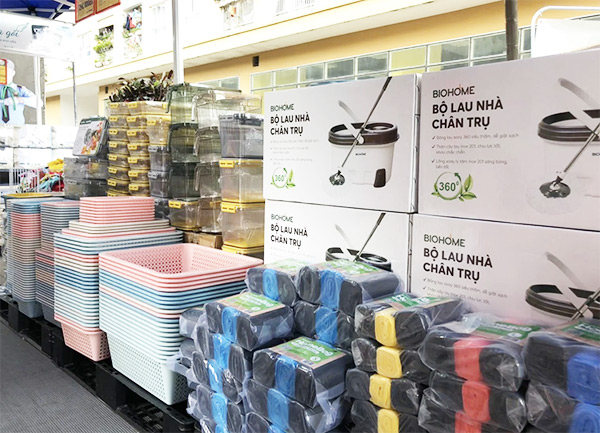
According to the Vietnam Plastics Association (VPA), over the past decade, the plastics industry has consistently maintained double-digit growth in both the volume of imported raw materials and the export of plastic products. This demonstrates the substantial potential of the domestic plastics sector.
VPA statistics show that in 2017, the total export value of Vietnam’s plastics industry exceeded USD 3 billion, up 17.6% compared to 2016. Key export markets with strong growth included South Korea (+30%), ASEAN (+24.2%), and Japan (+14.8%). The EU market remained stable, while exports to China saw an impressive 61.5% increase.
Notably, in the first six months of this year, aggregated data from the General Department of Customs indicated that plastics exports reached approximately USD 1.43 billion, up 20% year-on-year. Vietnamese plastic products are exported to over 35 markets worldwide, including demanding markets such as Japan, which accounted for 21.8% of the total export value in this product group, reaching USD 312.47 million, a 15.7% increase compared to the same period last year. Other key markets include the United States (15.6%, USD 223.73 million, +22.8%), Netherlands (5.3%, USD 75.88 million, +17.5%), and South Korea (USD 75.32 million, +30.4%).
Regarding competitiveness, industry players note that while Vietnamese plastics companies were previously small family-owned or private businesses, the trend of integration has led to larger-scale enterprises that continue to grow year by year.
Currently, domestic plastics companies are competing relatively well with foreign firms and imported plastic products in Vietnam. Strong local enterprises are increasingly investing in technology, factories, and partnerships with foreign companies to focus on both domestic market products and exports.
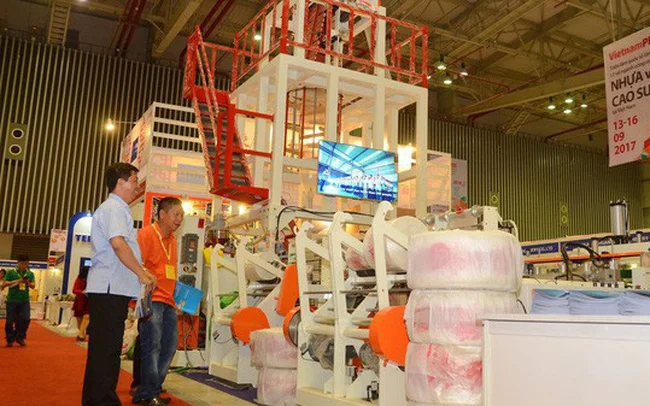
The export market is still considered to have significant potential and offers many opportunities for local businesses. To enhance competitiveness, experts suggest that manufacturers should consider investing in new machinery, particularly energy-efficient and environmentally friendly production technologies.