Bio Helps You Choose Safe Food Containers for Your Family

1750 views Posted date: 13/05/2024 Author:
Table of Contents

Using safe food containers helps preserve the freshness of your food while preventing bacteria from entering. But how do you choose safe food containers for your refrigerator? The following guide will help.

In modern life, essential household items should be of high quality and safe for health to protect our families. There are many types of food containers available, including paper, plastic, stainless steel, ceramic, and glass. The right choice depends on your intended use.

Choosing Safe Food Containers for the Refrigerator by Material

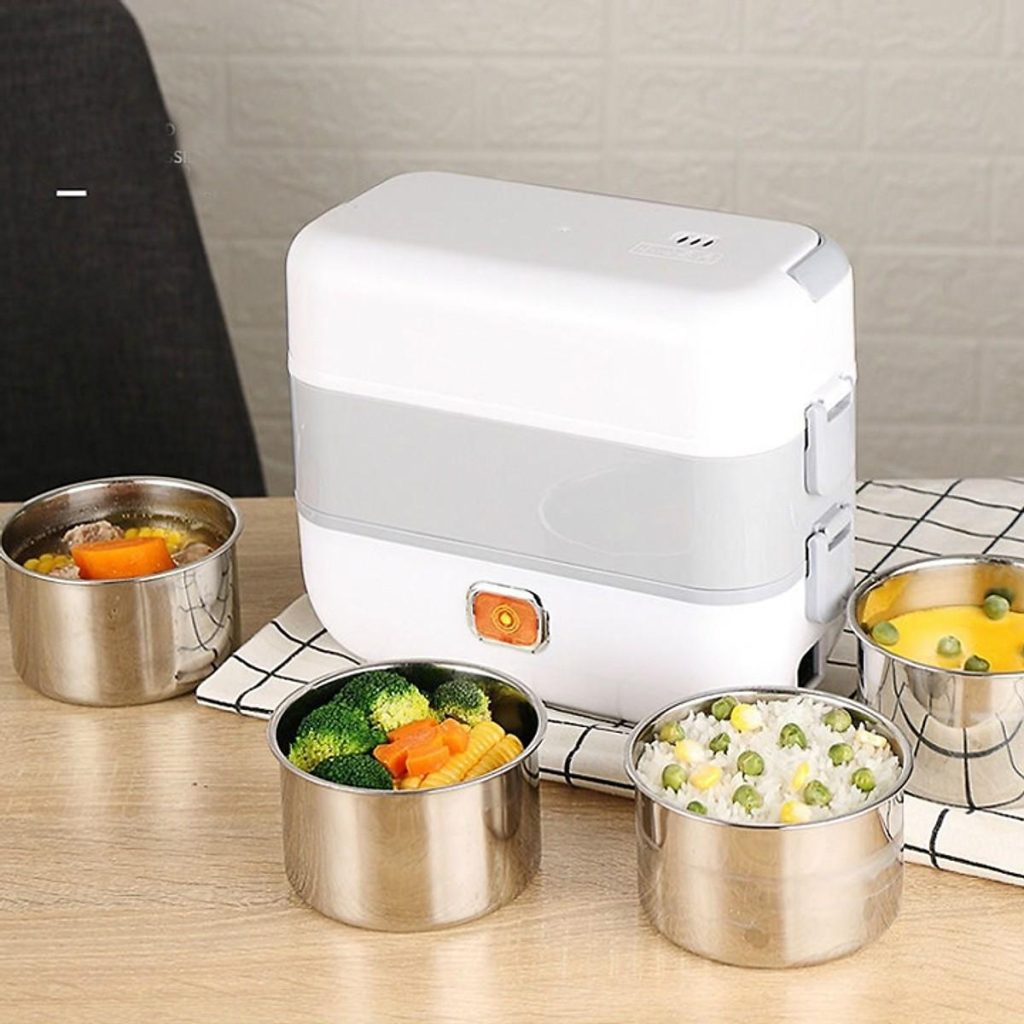
Safe and healthy food containers must be made from non-toxic, durable, and heat-resistant materials. In addition, the choice of material for refrigerator containers depends on the type of food and whether it will be stored in the fridge compartment or the freezer.
Bio Helps You Choose Safe Food Containers for Your Family

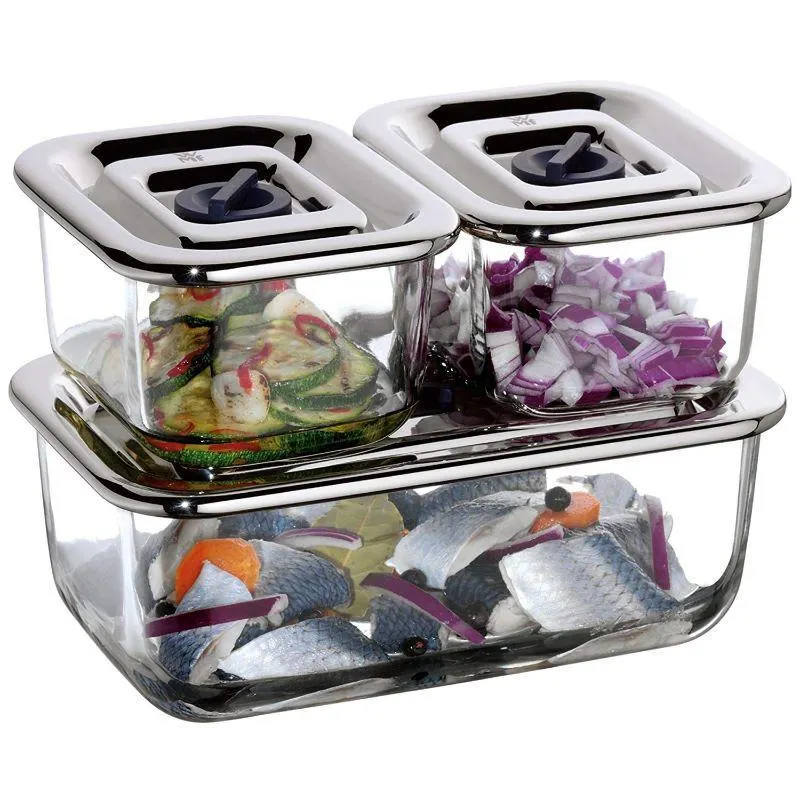
Glass Food Containers Offer the Highest Safety, Suitable for Both Freezer and Fridge

For the freezer, which is used to store frozen foods, you should consider the following two types of materials:

  • PP Plastic Food Containers: Plastic is only harmful at high temperatures or if it has melted. PP plastic is particularly safe for health. At low temperatures, PP plastic does not release any harmful substances, making it completely safe for storing food in the freezer.
  • Glass Food Containers: Glass can generally withstand high temperatures; however, if left in the freezer for a long time, it may crack or break.

Therefore, it is best to choose high-quality heat-resistant glass food containers, which minimize the risk of cracking and ensure safe, long-term storage of frozen foods.
Bio Helps You Choose Safe Food Containers for Your Family

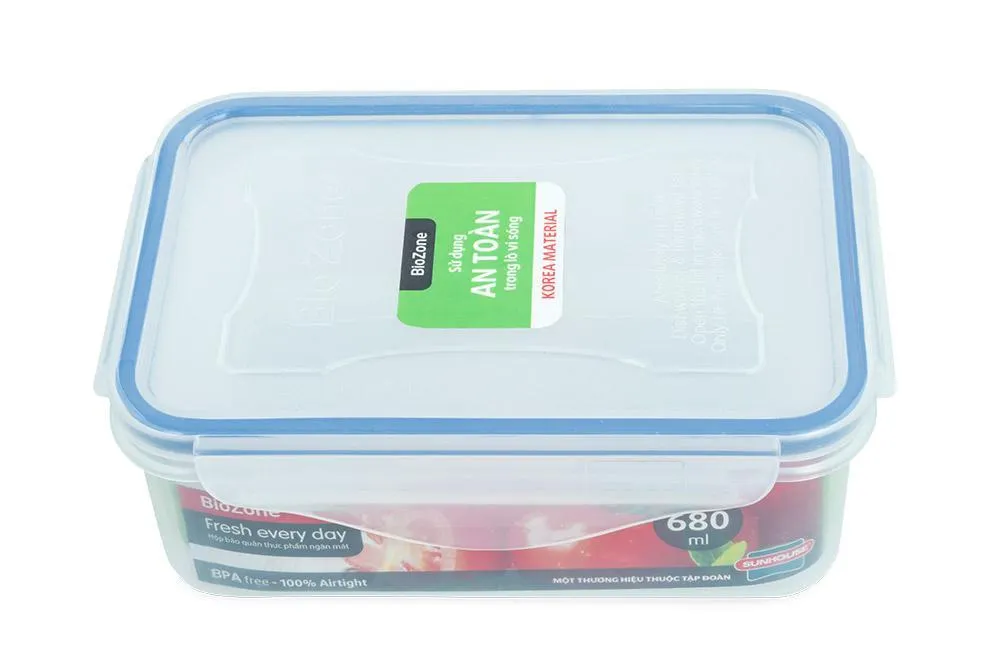
Food Containers Made from Virgin Plastic – Safe for Health

For the fridge compartment, most food container materials can be used. However, plastic is safe, economical, and durable, so it is preferred by many people. Still, you should avoid buying cheap, low-quality plastic food containers, or single-use plastic containers. You should not buy products without clear origins, unbranded items freely sold on the market, or products that do not clearly state the type of plastic. Safe plastic containers to choose include PP, or Plastic #2 (HDPE), Plastic #4 (LDPE), or Plastic #1 (PET). PET food containers should only be used 2–3 times. Plastic #7 and foam containers should never be used.

In addition, for fresh foods, you should use containers with preservation lids. For households with young children, limit the use of glass items and instead use absolutely safe plastics such as Tritan.

How to Use and Store Refrigerator Food Containers

Bio Helps You Choose Safe Food Containers for Your Family

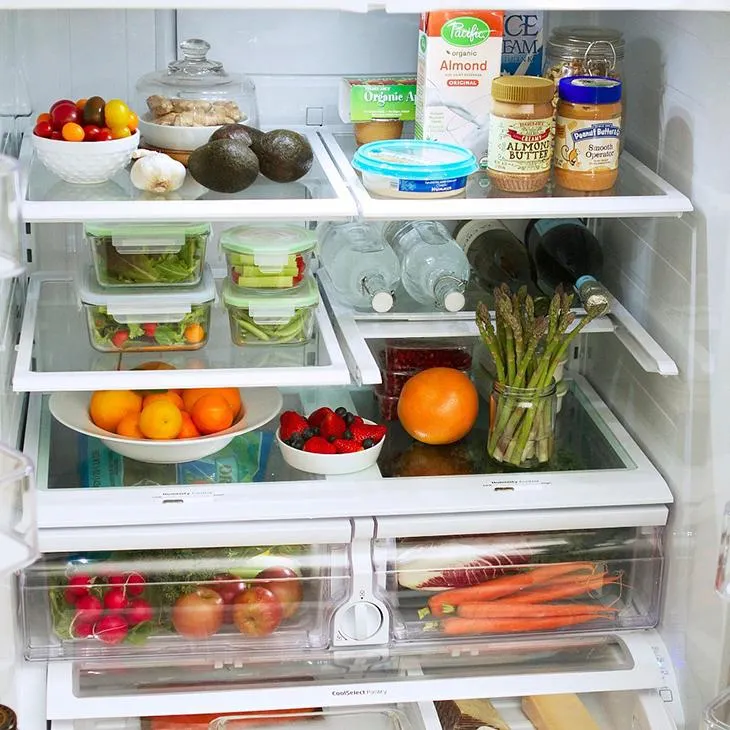
Storing Food in the Refrigerator Using Different Types and Sizes of Food Containers

Food storage containers specifically designed for the refrigerator are essential items and are used frequently. Therefore, using and storing them correctly will minimize unnecessary risks, keeping food safe and preserving its nutrients. Here are some tips you can follow:

  • Always cover food containers when storing food in the fridge or freezer to prevent harmful bacteria contamination.
  • Avoid covering plastic lids when using the microwave, as pressure inside the container can cause explosions, and the plastic may melt, releasing harmful substances into the food.
  • When using glass food containers in the microwave, after taking them out from the fridge, let them sit at room temperature for 3–5 minutes to avoid thermal shock that could crack the container.
  • When using plastic food storage containers, minimize microwave use. Even if some plastics or products are labeled microwave-safe, they can still leach chemicals when exposed to high temperatures. Plastic refrigerator containers also easily absorb food odors, so clean them thoroughly immediately after use, and consider sun-drying or rinsing with hot water to remove unpleasant smells.
Bio Helps You Choose Safe Food Containers for Your Family

Avoid Using Stainless Steel Containers for Highly Acidic Foods

When using stainless steel food containers, do not store highly acidic or pickled foods, as this can cause the containers to rust and contaminate the food. If rust appears, you can clean it with vinegar or salt.

Using Food Containers in the Microwave: Glass and ceramic are the most durable and safest materials for health, able to withstand high temperatures, making them the most suitable for microwave use. In urgent cases, you can also use PP plastic containers, but only for 2–3 minutes at temperatures below 165°C.

We hope the above information helps you store food in the refrigerator more easily using these extremely convenient and safe food containers.

Related articles:

Leave a Reply

Your email address will not be published. Required fields are marked *

HotlineZaloMessenger